
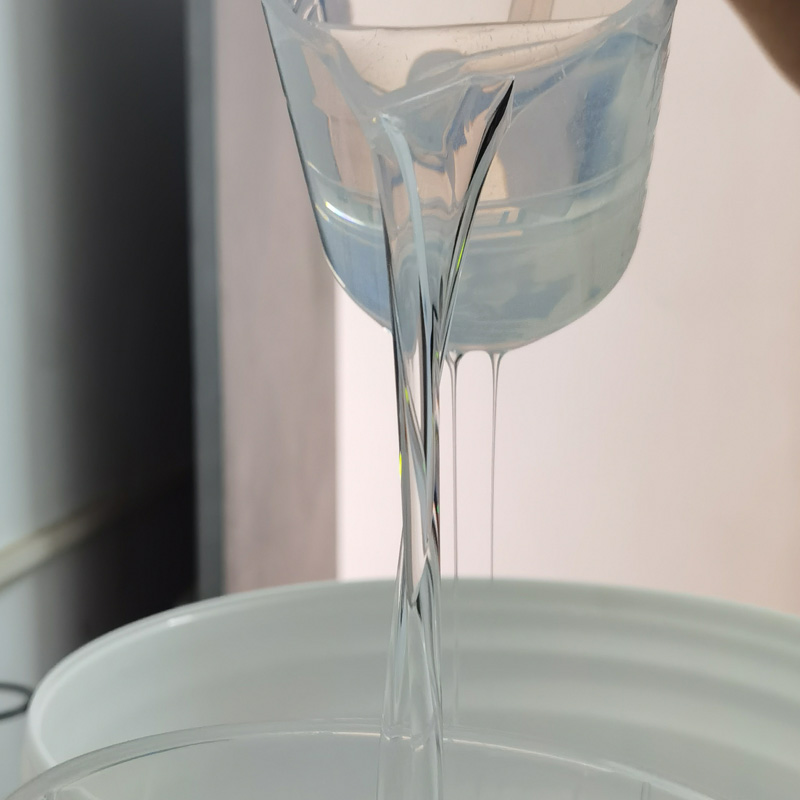
Platinum catalyst drives the hydrosilylation reaction in addition-cure silicone — it links vinyl-containing silicone polymers with Si-H crosslinkers, letting the material cure with no reaction by-products.
Times Silicone makes five grades — TPL-1000, TPL-2000, TPL-3000, PTR-3000, PTR-5000 — so you can match catalytic activity to the formulation and the process.
Key Features
- Efficient hydrosilylation catalysis
- For addition-cure liquid silicone
- Colorless, transparent liquid
- Compatible with silicone formulations
- Multiple activity levels for different processing needs
- Covers conventional, balanced, fast-curing, and inhibition-resistant applications
Platinum Catalyst Series
| Product | Main Characteristics | Typical Applications |
|---|---|---|
| TPL-1000 | Low concentration, flexible dosage | General-purpose silicone, potting, silicone ink |
| TPL-2000 | Balanced activity and working time | Two-component liquid silicone, mold materials |
| TPL-3000 | Stable catalytic activity | Food-grade, daily-use, potting silicone |
| PTR-3000 | Resists catalyst inhibition | Complex formulations, bonding applications |
| PTR-5000 | High catalytic activity | Thin coatings, rapid molding, fast curing |
How to Choose
The right grade depends on cure speed, working time, formulation, substrate, possible inhibitors, production cycle, and dosage. Quick guide:
- Conventional production — TPL-1000 or TPL-3000
- Need a balance of working time and curing efficiency — TPL-2000
- Tough, inhibition-prone formulations — PTR-3000
- Fast-curing, high-activity needs — PTR-5000
Why Times Silicone?
Instead of one universal catalyst, we offer five grades, so you pick the one that matches your formulation, curing requirements, and process — not the closest match to “one size fits all.”
We also provide product samples and formulation technical support to help you evaluate compatibility and tune your silicone system.
Looking for the right platinum catalyst? Contact Times Silicone to discuss your requirements.

Reviews
There are no reviews yet.